Limb lengthening surgery in Turkey has a high success rate when performed by experienced orthopedic surgeons. Outcomes depend on patient compliance and recovery.
The question what is the success rate of limb lengthening surgery in Turkey is frequently asked by individuals considering height increase procedures. Turkey has become one of the leading destinations for limb lengthening surgery due to its experienced orthopedic surgeons, modern medical facilities, and comprehensive care programs for international patients. However, understanding success rates requires more than looking at a single percentage.
Success in limb lengthening surgery depends on several factors, including proper patient selection, surgical technique, bone healing quality, rehabilitation commitment, and realistic expectations. When these elements are managed effectively, limb lengthening procedures performed in Turkey can achieve high levels of success. Patients who follow medical recommendations closely and complete their rehabilitation programs are generally more likely to reach their planned outcomes.
Because every patient has unique anatomical characteristics and health conditions, the answer to what is the success rate of limb lengthening surgery in Turkey should be evaluated in the context of individual circumstances rather than as a universal figure. Understanding how success is defined is the first step toward making an informed decision.
Table of Contents
What Does “Success” Mean in Limb Lengthening Surgery?
When discussing what is the success rate of limb lengthening surgery in Turkey, it is important to clarify what surgeons and patients mean by success. Different individuals may evaluate outcomes differently. Some focus primarily on the amount of height gained, while others place greater emphasis on mobility, comfort, and overall quality of life after recovery.
From a medical perspective, success generally refers to achieving the planned bone lengthening while maintaining proper bone alignment, joint function, and overall limb health. A successful outcome also involves completing the recovery process without major complications that significantly affect long-term function.
Bone Healing, Functional Recovery, and Planned Height Gain
One of the most important indicators when evaluating what is the success rate of limb lengthening surgery in Turkey is bone healing. During the lengthening process, new bone tissue forms in the gap created by the procedure. Successful bone regeneration allows the patient to achieve the targeted height increase while maintaining structural stability.
Functional recovery is equally important. Patients should be able to return to daily activities with good mobility and strength following rehabilitation. When bone healing progresses as expected, physical therapy is completed successfully, and the intended height gain is achieved, the procedure is generally considered successful from both medical and practical perspectives.
Cosmetic Satisfaction vs. Medical Outcome
Another factor influencing discussions about what is the success rate of limb lengthening surgery in Turkey is the difference between cosmetic satisfaction and clinical success. A patient may achieve excellent medical results but still have personal expectations that differ from the final outcome.
Conversely, some patients report high satisfaction even when their recovery takes longer than expected because they successfully reach their desired height goals. For this reason, both objective medical measurements and subjective patient satisfaction contribute to the overall assessment of success.
Why Turkey Is a Popular Destination for Limb Lengthening
Turkey has become a globally recognized center for limb lengthening procedures. International patients travel from many countries to undergo surgery because of the country’s combination of specialized expertise, advanced facilities, and comprehensive treatment programs.
The growing reputation of Turkish orthopedic centers has contributed significantly to discussions about what is the success rate of limb lengthening surgery in Turkey. Many clinics have developed structured treatment pathways that support patients from consultation through recovery.
Surgeon Experience and High Procedure Volume
One reason many patients consider Turkey is the experience of surgeons who perform limb lengthening procedures regularly. High procedure volume allows medical teams to develop extensive expertise in patient evaluation, surgical planning, and postoperative care.
When assessing what is the success rate of limb lengthening surgery in Turkey, surgeon experience is often one of the most influential factors. Skilled surgeons can identify appropriate candidates, select suitable techniques, and address challenges throughout the treatment process.
Cost Advantage and Full-Service International Care
Turkey is also known for offering competitive treatment costs compared to many other countries. While cost should never be the sole consideration, affordability often makes treatment more accessible for international patients.
Many clinics provide comprehensive services that include airport transfers, accommodation support, rehabilitation programs, and multilingual patient coordination. These services can simplify the treatment journey and contribute positively to the overall patient experience.
What Factors Affect the Success Rate?
The answer to what is the success rate of limb lengthening surgery in Turkey depends on multiple factors. Successful outcomes are not determined by surgery alone but by a combination of medical, biological, and patient-related elements.
Each stage of treatment—from initial evaluation to rehabilitation—plays a role in achieving the desired results. Understanding these factors helps patients appreciate the importance of active participation throughout the process.
Method Selection, Age, and Bone Health
Different limb lengthening methods may be appropriate for different patients. The choice of technique depends on factors such as anatomy, treatment goals, and overall health. Proper method selection can significantly influence recovery and final outcomes.
Age and bone health are also important considerations when evaluating what is the success rate of limb lengthening surgery in Turkey. Healthy bone quality supports effective regeneration during the lengthening process. While adults of various ages may undergo treatment, individual health assessments remain essential for determining suitability.
Physical Therapy, Follow-Up, and Patient Compliance
Physical therapy is a critical component of successful limb lengthening. Regular exercises help maintain joint mobility, muscle flexibility, and overall function during recovery.
Patient compliance also has a major impact on outcomes. Following medical instructions, attending follow-up appointments, and participating consistently in rehabilitation programs can improve recovery quality. For many patients, commitment to postoperative care is just as important as the surgical procedure itself.
Which Complications Can Lower Success?
Although many patients achieve positive outcomes, potential complications can affect results and should be considered when discussing what is the success rate of limb lengthening surgery in Turkey. Complications may vary depending on individual circumstances, surgical technique, and adherence to postoperative care plans.
Issues such as delayed bone healing, joint stiffness, muscle tightness, or alignment concerns may require additional medical attention. Understanding these possibilities helps patients make informed decisions and prepare realistically for the recovery process.
Individuals researching the risks and complications of limb lengthening can learn more through our website. Reviewing potential challenges is an important part of evaluating treatment options and understanding the full scope of the procedure.
How Should Patients Evaluate Success Claims from Clinics?
Many clinics highlight success stories and positive outcomes, but patients should evaluate these claims carefully. Understanding how success is measured can help individuals distinguish between marketing statements and meaningful clinical information.
When researching what is the success rate of limb lengthening surgery in Turkey, patients should seek evidence-based information and ask detailed questions about outcomes, recovery timelines, and follow-up care protocols.
Before-and-After Cases, X-Rays, and Recovery Proof
Before-and-after photographs can provide useful visual examples, but they should not be the only source of information. Patients should also request evidence of bone healing and functional recovery when evaluating treatment providers.
X-rays, documented rehabilitation progress, and long-term follow-up data can offer a more complete picture of surgical outcomes. These materials help demonstrate not only height gain but also the quality of recovery achieved after treatment.
Realistic Expectations About Height and Healing
Setting realistic expectations is essential for anyone asking what is the success rate of limb lengthening surgery in Turkey. Recovery requires time, patience, and consistent participation in rehabilitation.
Patients should understand that healing rates vary between individuals. While many people achieve their planned height goals, the timeline for bone consolidation and functional recovery can differ. A realistic understanding of the process often contributes to greater satisfaction with the final outcome.
Is Turkey a Good Choice for Height Increase Surgery?
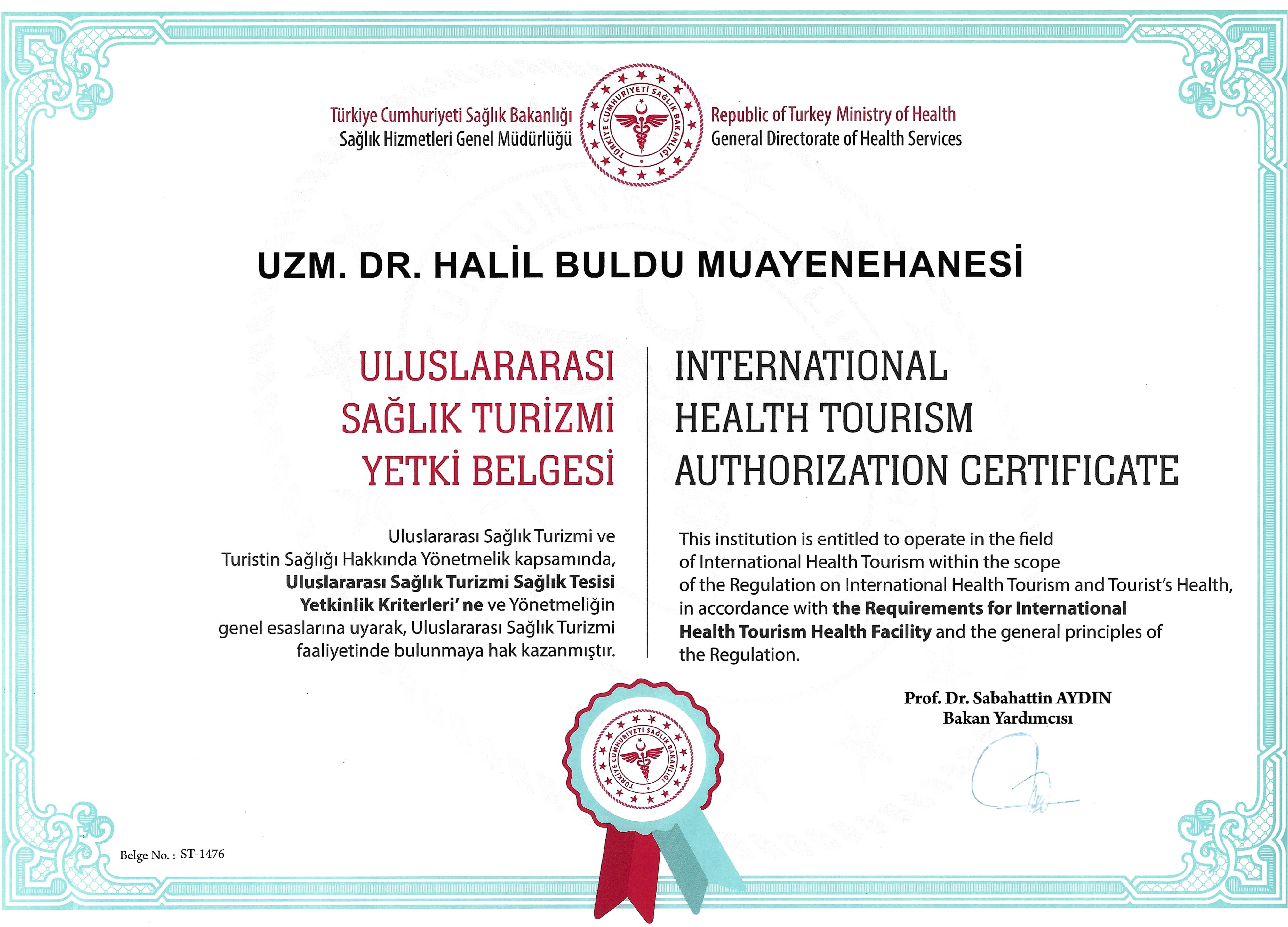
For many international patients, Turkey is considered an attractive destination for height increase surgery because of its experienced surgeons, modern facilities, and comprehensive treatment programs. The country’s growing expertise in limb lengthening has helped establish a strong reputation within the field of orthopedic reconstruction and height enhancement procedures.
Ultimately, the answer to what is the success rate of limb lengthening surgery in Turkey depends on the quality of the medical team, appropriate patient selection, careful surgical planning, and commitment to rehabilitation. Patients who thoroughly research their options, choose experienced providers, and actively participate in recovery are generally better positioned to achieve successful outcomes.
Evaluating success requires looking beyond simple percentages and considering the entire treatment journey. Bone healing, mobility, patient satisfaction, and achievement of planned goals all contribute to determining whether a procedure has truly been successful. For individuals seeking height increase surgery, a well-informed approach remains one of the most important factors in achieving a positive experience and outcome.

Orthopedic Surgeon and specialist in Limb Lengthening & Deformity Correction with over 14 years of experiences
Author Page