
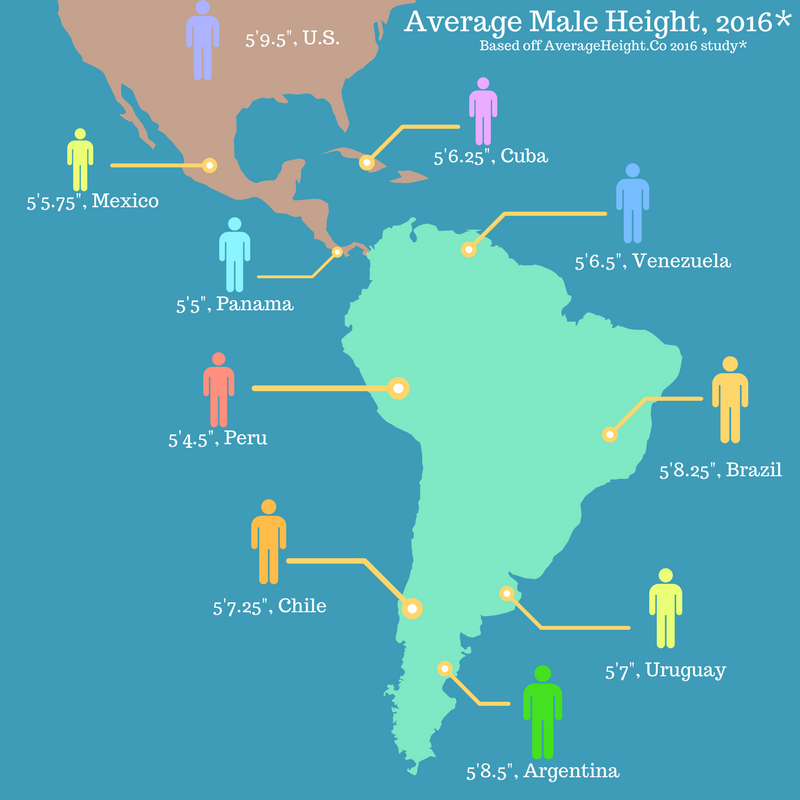
Understanding the average height in Brazil is essential for gaining insights into the country’s overall health, nutrition, and social development. Height is influenced by various factors, including genetics, environment, regional differences, and access to healthcare. While Brazil is known for its cultural and ethnic diversity, these differences also reflect in physical characteristics such as average height across different regions and genders.According to recent national health statistics, the average height in Brazil for adult men is approximately 173 cm (5 feet 8 inches), while for women, it’s around 160 cm (5 feet 3 inches). However, these averages are not uniform across all parts of the country. In some regions, people are taller due to better nutrition and healthcare, while in others, height remains below the national average. Let’s explore these distinctions in detail.
Table of Contents
Average Height in Brazil by Gender
Gender plays a significant role in determining the average height in Brazil. Men are generally taller than women, as is the case in most countries. This difference is partly biological, but environmental and social factors also contribute. In Brazil, improvements in healthcare and nutrition over recent decades have contributed to a gradual increase in average height for both genders.The average height for men in Brazil is about 173 cm, whereas the average height for women in Brazil is approximately 160 cm. These measurements are influenced by a range of factors including geographic location, socioeconomic status, access to healthcare, and diet during formative years. Furthermore, generational shifts indicate that younger Brazilians tend to be taller than older age groups, showing the impact of modernization and improved living standards.
Average Height for Men in Brazil
The average height for men in Brazil is currently around 173 cm. This height places Brazilian men near the global average, though variations exist across different regions. Men living in urban areas tend to be taller than those in rural zones due to better access to healthcare, higher living standards, and more balanced nutrition. Over time, improvements in public health policies have also contributed to gradual increases in height among the male population.
Average Height for Women in Brazil
The average height for women in Brazil is approximately 160 cm. Similar to men, Brazilian women’s height is influenced by lifestyle, access to education, and nutritional intake during childhood. Women in more developed, urban regions tend to be slightly taller than those in rural areas. Despite socioeconomic disparities across the country, the overall trend for women’s height has shown a steady increase over the past few decades.
Height Differences by Region
Geographic location significantly influences the average height in Brazil. Due to Brazil’s large and diverse landscape, height averages vary between regions. Southern and southeastern states typically report higher averages compared to the northern and northeastern parts of the country. These differences are closely tied to historical development, population demographics, healthcare availability, and regional diets.For instance, in the southern regions where European immigration was more prevalent and infrastructure is more developed, both men and women tend to be taller. In contrast, northern regions may report shorter average heights due to long-standing issues with poverty and limited access to health and education services.
North and Northeast Regions
In the North and Northeast regions of Brazil, average heights tend to fall slightly below the national average. Men in these regions typically measure around 171 cm, while women average around 158 cm. The lower figures are often linked to socioeconomic challenges such as food insecurity, limited medical services, and reduced educational access. These challenges can affect growth during childhood, resulting in shorter adult height.
South and Southeast Regions
The South and Southeast are Brazil’s most urbanized and economically advanced regions. Here, the average height for men in Brazil can reach 175 cm, and the average height for women in Brazil may rise to 162 cm. These areas benefit from higher income levels, better education, and more consistent access to healthcare and nutrition. As a result, children in these regions are more likely to reach their full growth potential, leading to taller adult heights.
Factors Influencing Height in Brazil
Many elements contribute to the average height in Brazil, including genetics, economic status, diet, and access to healthcare. Genetics play a foundational role, but environmental influences often determine whether individuals reach their full genetic height potential. Malnutrition during critical growth periods, particularly in early childhood, can lead to stunted growth and lower average height.In wealthier and more urbanized regions, children often receive better nutrition and medical attention, leading to higher average heights. Public health campaigns, vaccination programs, and food assistance initiatives have also played a role in improving height trends across the country. Education, particularly for mothers, has been found to have a positive impact on children’s nutritional habits and growth outcomes.
Comparison with Global Averages
When comparing the average height in Brazil with global statistics, Brazilians generally fall close to the international median. For example, the average height in USA is slightly higher for both men and women.American men average around 177 cm, while women average about 164 cm. These differences reflect historical, environmental, and social distinctions between the two countries. However, with continued development and better health policies, Brazil’s height averages are expected to rise, narrowing the gap between Brazil and more developed nations.Height Trends Over Time
Over the past few decades, Brazil has experienced a positive trend in height growth across its population. Improvements in healthcare, urbanization, and education have contributed to these increases. Children born in recent years are generally taller than their parents and grandparents, reflecting better living conditions and improved early-life care.This trend is expected to continue as Brazil invests more in public health and education. Regional disparities may lessen as infrastructure and economic development reach more remote areas. Monitoring the average height in Brazil over time helps researchers and policymakers assess the population’s well-being and guides strategies for further improvement.
Orthopedic Surgeon and specialist in Limb Lengthening & Deformity Correction with over 14 years of experiences
Author Page