What is the LON method and how does it work?
The LON (Lengthening Over Nail) method is a combined internal–external limb lengthening technique that offers both stability and cost-effectiveness. During the surgery, the bone is carefully cut (osteotomy), and an internal intramedullary nail is inserted into the bone canal. An external fixator is then applied to the leg to control the gradual lengthening process.
After surgery, patients lengthen the bone by adjusting the external fixator each day—usually about 1 mm per day. As the bone slowly separates, the body naturally forms new bone tissue in the gap (called distraction osteogenesis). Once the desired length is reached, the external fixator is removed, while the internal nail stays inside to support the bone during the consolidation phase.
Because the internal nail holds the bone aligned from the inside, the LON Method provides strong mechanical stability and allows safe lengthening up to 10 cm in suitable patients.
How safe is the LON method for cosmetic limb lengthening?
The LON method is considered a safe and reliable option for cosmetic limb lengthening when performed by an experienced surgical team. Because the technique uses both an internal nail and an external fixator, the bone stays well-aligned throughout the lengthening phase, which reduces the risk of deformity or instability.
One of the key safety advantages of LON is early weight-bearing. The internal nail provides strong mechanical support from inside the bone, allowing most patients to put partial weight on the legs much earlier compared to fully internal systems. This early loading helps maintain muscle strength, improves mobility, and contributes to a smoother overall recovery.
The most common complication of the LON method is superficial pin-site infection around the external fixator pins. These are generally mild, easily managed with antibiotics, and rarely affect the final outcome. With proper hygiene, daily cleaning, and consistent medical follow-up, complication rates remain low.
Overall, when combined with structured physiotherapy and careful monitoring, the LON method offers a safe and stable way to achieve up to 10 cm of height increase in suitable candidates.
What are the advantages of the Fitbone method compared to the LON method?
The fitbone method offers several advantages over the LON method, especially for patients who prioritize comfort and aesthetics. Fitbone is a fully internal, motorized limb lengthening system, meaning there is no external fixator attached to the leg during lengthening. This eliminates pin-site wounds, reduces maintenance requirements, and provides a cleaner, more discreet appearance throughout the process.
Because everything is internal, daily mobility is easier, clothing fits normally, and patients generally experience less discomfort during sleep and daily activities. Fitbone also requires fewer wound care steps compared to LON, which makes the postoperative routine simpler.
However, Fitbone has a lower lengthening capacity—typically up to 8 cm—while LON can achieve up to 10 cm. Patients seeking maximum height increase may prefer LON, but those who value comfort, aesthetics, and minimal external hardware often find Fitbone to be the more appealing option.
Is the Fitbone method better than LON for femur lengthening?
Both Fitbone and LON are effective methods for femur lengthening, but the “better” option depends on the patient’s priorities and goals. Fitbone offers a fully internal system with no external fixator, making it significantly more comfortable and aesthetically pleasing during daily life. Clothing fits normally, sleeping is easier, and hygiene is simpler since there are no pin sites to clean.
However, Fitbone has a maximum lengthening capacity of approximately 8 cm, while LON can safely achieve up to 10 cm in suitable femur cases. This makes LON the preferred option for patients who want the highest possible increase in one segment.
In terms of recovery, both methods produce stable and predictable results when performed by experienced surgeons. Fitbone emphasizes comfort and appearance, while LON emphasizes affordability and higher lengthening potential. The ideal choice depends on your expectations, anatomy, and budget.
How does the Fitbone method differ from the LON method?
The Fitbone and LON methods differ primarily in how the lengthening process is performed and how the devices are placed on the body. Fitbone is a fully internal, motorized system, meaning all components—including the lengthening mechanism—are placed inside the bone. This allows patients to lengthen their legs using a remote controller without any external hardware attached to the limb.
In contrast, the LON method uses an internal nail for stability together with an external fixator for the actual lengthening process. While highly effective and more affordable, LON requires daily pin-site care and can be less comfortable during sleep, mobility, and everyday activities.
Fitbone offers greater comfort and a cleaner aesthetic appearance, but it has a lower maximum lengthening capacity of about 8 cm, whereas LON can achieve up to 10 cm in the femur. The right choice depends on the patient’s priorities, budget, and desired length gain.
Is the Fitbone method suitable for both femur and tibia lengthening?
Yes, the Fitbone method is suitable for both femur and tibia lengthening, and it can even be used for quadrilateral and hybrid lengthening plans. Fitbone femur nails are widely compatible and offer excellent comfort and aesthetics due to the fully internal motorized system. Most adult patients are good candidates for Fitbone femur lengthening.
Tibia lengthening with Fitbone is also possible, but it requires a careful anatomical evaluation because the tibia is a thinner bone with more limited space for implants. When the bone size and shape are appropriate, Fitbone tibia nails provide a smooth and fully internal lengthening experience.
Quadrilateral lengthening (both femurs and both tibias) can be performed entirely with Fitbone when the patient’s anatomy allows for it. This offers a fully internal and comfortable four-segment lengthening option.
Hybrid lengthening—using Fitbone in the femurs and LON in the tibias—is also a popular choice. This approach balances comfort, cost, recovery time, and lengthening capacity.
Overall, Fitbone is suitable for many femur and tibia cases, as well as advanced multi-segment plans, with final eligibility determined after detailed imaging and consultation.
What is the Hybrid method and who is it suitable for?
The Hybrid method combines two different limb lengthening systems—typically Fitbone for the femurs and LON for the tibias—to create a balanced treatment plan that maximizes both comfort and cost-efficiency. This approach allows patients to benefit from the fully internal, motorized Fitbone system in the upper legs while still using the more affordable and higher-capacity LON method in the lower legs.
The Hybrid method is especially suitable for.
- Patients planning quadrilateral (four-segment) lengthening in one medical stay
-I ndividuals who want the comfort and aesthetics of an internal system for the femurs
- Patients aiming for a higher total length increase while keeping costs manageable
- Cases where the tibia anatomy is not ideal for a Fitbone nail
- Patients who want to reduce external fixator time and discomfort
By combining both systems, the Hybrid method offers a customizable solution that adapts to each patient’s anatomy, goals, and budget. It provides strong stability, predictable results, and a smoother recovery during multi-segment lengthening.
What is the success rate of limb lengthening surgery in Turkey?
Limb lengthening surgery in Turkey has a high overall success rate, especially in specialized centers that perform the procedure regularly. Success depends heavily on surgeon experience, proper patient selection, physiotherapy quality, and continuous postoperative monitoring. In well-established clinics with dedicated orthopedic teams, the success rate typically exceeds 95%, with most patients achieving their planned length increase and returning to normal function after full recovery.
Turkey has become a global hub for cosmetic and medical limb lengthening due to its advanced surgical techniques, modern hospital infrastructure, and highly trained orthopedic surgeons. Consistent physiotherapy, routine X-ray checks, and personalized follow-up protocols further contribute to excellent outcomes for both femur and tibia lengthening.
How experienced are Turkish surgeons in cosmetic limb lengthening?
Turkey is home to some of the most experienced limb lengthening surgeons, and Dr. Halil Buldu is a leading example of this expertise. As the chief orthopedic surgeon at LiveLifeTaller, Dr. Halil has performed over 7,500 orthopedic surgeries and completed more than 5,000 limb lengthening procedures, including both cosmetic and medical cases.
His extensive hands-on experience covers femur, tibia, quadrilateral, humerus, deformity correction, limb length discrepancy, and achondroplasia cases. Having operated on thousands of international patients, he has developed highly refined surgical techniques, advanced bone alignment accuracy, and reliable outcomes across all lengthening methods — including LON, Fitbone, and Quadrilateral and Hybrid approaches.
Dr. Halil’s high surgical volume and specialized focus on limb lengthening make him one of the most experienced surgeons in the field globally, contributing significantly to Turkey’s strong reputation in orthopedic lengthening procedures.
What is included in a limb lengthening surgery package in Turkey?
At LiveLifeTaller, our surgery packages are designed to provide a fully supported and worry-free experience from the moment you arrive in Istanbul until the end of your lengthening journey. Each package includes all essential medical and logistical services so patients can focus entirely on recovery.
Our package typically includes:
- Surgery with Dr. Halil Buldu, one of the most experienced limb lengthening surgeons worldwide
- All hospital fees, including anesthesia, imaging, blood tests, and postoperative care
- Daily physiotherapy sessions with our in-house professional physiotherapy team
- Medications and medical consumables, including wound care supplies and pain management
- Regular X-rays and medical evaluations to monitor progress and bone alignment
- Private accommodation in our patient residences during the lengthening period
- Airport pick-up and drop-off
- Transportation to all medical appointments
- A dedicated personal coordinator available every day for guidance and support
- 24/7 medical access to our team for any medical concerns
LiveLifeTaller’s goal is to create a safe, comfortable, and highly organized environment so that each patient receives consistent care throughout the entire process.
How long is the recovery period after cosmetic lengthening surgery in Turkey?
The recovery period after cosmetic limb lengthening surgery in Turkey varies depending on whether the femurs, tibias, or both segments are lengthened. In general, patients spend the first week focusing on pain management, mobility training, and beginning physiotherapy. Lengthening typically starts around 7–10 days after surgery.
Most patients follow this general timeline:
- Lengthening phase: about 8–10 weeks, depending on the targeted length
- Walking with support: throughout the lengthening period
- Walking without support: usually 8–12 weeks after the lengthening phase ends
- Returning to regular daily activities: around 3–4 months
- Full muscle recovery and flexibility: within 9–12 months
- Returning to sports and heavy workouts: typically 6–12 months, depending on progress
Turkey’s specialized limb lengthening centers provide structured physiotherapy and routine follow-up appointments, which help patients recover safely and efficiently. Consistent monitoring, X-rays, and supervised rehabilitation are key parts of the recovery process.
How long do I need to stay in Istanbul for surgery and follow-up?
At LiveLifeTaller, patients stay in Istanbul for the entire lengthening period to ensure safe follow-up, daily physiotherapy, and continuous medical supervision. Our package includes 90 days of accommodation, which is the ideal duration for both femur and tibia lengthening.
Here is what the 90-day stay covers:
- Week 1: Hospital stay, postoperative monitoring, pain management, and mobility training
- Week 2: Start of the lengthening phase (usually day 7–10)
- Weeks 2–10: Daily physiotherapy, regular X-rays, progress checks, and gradual lengthening
- Final weeks: Transition toward improved walking ability and preparation for returning home
The full 90-day stay ensures:
- Safe and controlled lengthening
- Professional physiotherapy every day
- Immediate response to any medical needs
- Accurate monitoring of bone formation and alignment
- A smooth recovery before flying home
If you undergo quadrilateral lengthening, the stay may be extended depending on your custom treatment plan.
What medical conditions qualify for medical limb lengthening in Turkey?
Medical limb lengthening surgery in Turkey is performed to treat a variety of orthopedic conditions that affect leg length, alignment, or function. Patients who undergo medical (reconstructive) lengthening typically have a diagnosable condition that impacts mobility, posture, or limb symmetry. Common indications include:
- Limb Length Discrepancy (LLD): differences in leg length caused by injury, congenital factors, infection, or growth plate damage
- Congenital deformities: such as fibular hemimelia, tibial hemimelia, or congenital short femur
- Post-traumatic shortening: after fractures that healed improperly or caused bone loss
- Growth plate injuries: resulting from childhood trauma or infection
- Bone tumors or cysts: that affect bone growth
- Achondroplasia and other skeletal dysplasias: requiring staged, medically indicated lengthening
- Neurological or vascular disorders: that cause functional leg length differences
Medical limb lengthening is tailored to restore symmetry, improve walking ability, correct deformity, and enhance overall quality of life. A detailed evaluation and X-ray assessment determine whether a patient meets the criteria for medical treatment.
How does medical limb lengthening surgery differ from cosmetic procedures?
Medical limb lengthening and cosmetic limb lengthening share the same core surgical principles, but they differ significantly in purpose, planning, and complexity. Medical limb lengthening is performed to correct functional problems, deformities, or asymmetry caused by conditions such as limb length discrepancy, congenital deformities, infections, trauma, or skeletal dysplasias like achondroplasia. The goal is to restore normal alignment, improve mobility, and reduce pain or disability.
In contrast, cosmetic limb lengthening is performed on healthy bones to increase height. The focus is on achieving safe, symmetrical lengthening while maintaining full function, flexibility, and long-term joint health. Cosmetic cases involve detailed planning of muscle balance, gait, proportions, and overall aesthetics.
Medical cases often require additional corrective procedures—such as angular correction, bone realignment, or staged surgeries—while cosmetic cases typically focus solely on controlled bone distraction. Both approaches require careful follow-up, physiotherapy, and adherence to the lengthening protocol, but the objectives and treatment pathways are tailored to each type of patient.
What is the typical length gain achieved with femur lengthening surgery?
Most patients can safely achieve 6 to 8 cm of length gain with femur lengthening surgery. This range is widely accepted because it allows the muscles, nerves, and soft tissues to adapt gradually during the distraction process. With the Fitbone method, the maximum recommended lengthening is typically up to 8 cm, while the LON method can reach up to 10 cmin suitable candidates who maintain strong flexibility and physiotherapy discipline.
The achievable length varies from person to person and depends on individual factors such as muscle tightness, bone structure, lifestyle, and consistency with physiotherapy. Patients are informed about the typical limits of each method, and they choose their target length based on their goals and comfort during the process. Progress is monitored closely throughout lengthening to ensure everything continues safely.
How painful is femur lengthening surgery and recovery?
Femur lengthening surgery involves controlled bone separation, so some degree of pain and discomfort is expected, especially in the first few days after the procedure. Most patients describe the postoperative pain as moderate during the first 24-48 hours, and it is effectively managed with prescribed pain medication. As healing progresses, the discomfort usually decreases significantly.
During the daily lengthening phase, patients may feel muscle tightness, stretching sensations, and occasional soreness as the tissues adapt to the increasing length. These sensations are normal and are typically well managed through regular physiotherapy, stretching exercises, and proper pacing of the distraction rate.
Most patients find the recovery experience manageable, and the pain becomes milder and more predictable as the process continues. With consistent physiotherapy, good communication with the medical team, and adherence to the recommended daily routine, femur lengthening becomes significantly more comfortable over time.
What are the risks of tibia lengthening surgery in Turkey?
Tibia lengthening is a safe and well-established procedure, but like any orthopedic surgery, it carries certain risks. The tibia is a thinner bone with tighter surrounding soft tissues, so patients may experience more muscle tension compared to femur lengthening. Common risks include temporary stiffness in the ankle, calf muscle tightness, and mild nerve irritation during the distraction phase.
Superficial pin-site infections can occur when using the LON method, but these are usually minor and easily treatable with antibiotics. Regular cleaning and proper hygiene significantly reduce this risk. Delayed bone healing is possible but uncommon, especially when patients maintain good nutrition, avoid smoking, and follow physiotherapy protocols.
When performed at specialized centers in Turkey with experienced limb lengthening teams, the risk of serious complications remains low. Routine X-rays, structured physiotherapy, and close monitoring help ensure safe progress and early management of any issues.
How long does weight-bearing take after tibia lengthening?
Weight-bearing after tibia lengthening depends on the method used and the patient’s individual healing speed. With the LON method, patients can typically begin partial weight-bearing earlier, as the internal nail provides stability while the bone is lengthening. Most patients start applying light weight shortly after surgery and gradually increase as tolerated.
With fully internal systems like Fitbone, weight-bearing is usually more conservative because the tibia is a thinner and more delicate bone. Patients generally progress from walker or crutches during the lengthening phase, followed by a gradual return to full weight-bearing once the distraction is complete and early consolidation is confirmed on X-rays.
In most cases, patients begin walking more confidently and without full support around 8–12 weeks after finishing the lengthening phase. Regular X-rays, physiotherapy, and close monitoring ensure that weight-bearing progresses safely based on the bone’s healing status.
When can I return to work, school, and sports after limb lengthening?
The timeline for returning to daily activities depends on the type of work, the lengthening method, and how quickly your body adapts during recovery. Most patients can return to desk-based or remote work relatively early, often within 6 to 8 weeks after surgery, as long as they can continue physiotherapy and follow-up appointments.
Returning to school typically follows a similar timeline, with many patients feeling comfortable enough to attend classes—often using crutches—around 6 to 10 weeks post-surgery. However, activities that involve prolonged walking or standing may require more time.
Sports, heavy workouts, and high-impact activities take longer because the muscles and bones need sufficient time to strengthen after lengthening. Light gym exercises can usually begin around 3 months, while full sports participation generally becomes possible between 6 to 12 months, depending on progress, muscle recovery, and bone consolidation.
Consistent physiotherapy and adherence to the rehabilitation plan greatly influence how quickly patients can return to their normal routines.
What kind of physiotherapy is required after limb lengthening surgery?
Physiotherapy is one of the most important components of limb lengthening recovery, as it helps maintain flexibility, muscle strength, joint mobility, and proper walking patterns throughout the process. After surgery, patients begin physiotherapy almost immediately—typically within the first 24 to 48 hours—to reduce stiffness and support early mobility.
Daily sessions during the lengthening phase focus on:
- Stretching exercises to prevent muscle tightness, especially in the quads, hamstrings, hip flexors, and calves
- Joint mobility exercises for the knees, hips, and ankles to maintain a healthy range of motion
- Strength training to support the new bone structure and improve stability
- Gait training to ensure safe walking with crutches or a walker
- Balance and posture work to maintain proper alignment as the legs gradually lengthen
As the bone consolidates, the physiotherapy program shifts toward rebuilding strength and endurance. Regular, structured physiotherapy is essential for avoiding complications and ensuring a smooth and successful outcome.
Will there be visible scars after limb lengthening surgery?
Yes, limb lengthening surgery does leave some scars, but their size and visibility depend on the method used. With Fitbone, the scars are minimal because the procedure is fully internal. Patients typically have a few small incision marks, usually around 1 cm in size, which fade over time and become less noticeable with proper scar care.
With the LON method, there are both small surgical incisions and pin-site marks from the external fixator. The incision scars usually heal very well, while the pin sites may leave small circular marks. These are generally mild and can improve significantly with creams, laser treatments, and good aftercare once the fixator is removed.
Most patients find that scars fade considerably within 6–12 months, and many are barely noticeable after full healing. Regardless of the method, following scar care instructions—such as moisturizing, avoiding sun exposure, and using silicone-based gels—helps improve cosmetic results.
What causes limb length discrepancy and how is it treated?
Limb length discrepancy (LLD) occurs when one leg is shorter than the other, and it can develop for several different reasons. Common causes include congenital factors, where the bones grow unevenly from birth, or post-traumatic injuries, such as fractures that heal incorrectly or result in bone loss. Other causes include growth plate damage during childhood, bone infections, tumors, or medical conditions that affect bone development.
Treatment depends on the severity of the discrepancy. Mild differences may be managed with shoe lifts or physical therapy, while larger discrepancies often require surgical correction. Surgical options include limb lengthening, limb shortening, or deformity correction, depending on the patient’s anatomy and functional needs. Modern lengthening techniques—such as LON or Fitbone—allow the shorter leg to be gradually lengthened in a controlled and safe way, helping restore balance, alignment, and proper walking mechanics.
Is limb length discrepancy surgery covered by insurance in Turkey?
Insurance coverage for limb length discrepancy (LLD) surgery in Turkey depends on the patient’s medical diagnosis and the specific insurance policy. When LLD causes functional problems—such as difficulty walking, chronic pain, posture issues, or significant gait abnormalities—it is considered a medical necessity, and some insurance providers may partially or fully cover the cost of treatment.
However, coverage is not guaranteed. Each insurance company evaluates cases individually, and documentation is essential. Patients typically need medical reports, X-rays, and a clear diagnosis showing that the discrepancy affects mobility or daily activities.
Many clinics in Turkey assist patients by preparing the necessary medical documentation to help with insurance claims. Cosmetic limb lengthening is not covered by insurance, but medically required limb lengthening may qualify for support depending on the insurer’s guidelines.
What is quadrilateral limb lengthening and who is a good candidate?
Quadrilateral limb lengthening is a procedure designed to achieve a maximum increase in overall height by lengthening all four major leg bones—both femurs and both tibias—either simultaneously or in two separate stages. This multi-segment approach significantly surpasses the height gain possible with single-segment surgery. At our clinic, this is achieved either entirely through the fully internal Fitbone system (Quadrilateral Fitbone) or via a Hybrid method, which strategically combines different techniques, such as Fitbone and LON, on different segments (e.g., Femurs = Fitbone / Tibias = LON). Candidates suitable for this transformative procedure are those who seek the greatest possible height increase, possess good initial flexibility, and are mentally and physically prepared to commit to a longer recovery period, rigorous daily physiotherapy, and strict adherence to follow-up protocols. With proper planning and expert surgical guidance, this method safely delivers substantial height gains while ensuring the maintenance of functional mobility.
How long does quadrilateral lengthening take compared to single-segment surgery?
Quadrilateral lengthening takes longer for each individual segment compared to single-segment surgery, but because the femurs and tibias are lengthened simultaneously, the overall treatment period becomes highly efficient. In single-segment lengthening (femur or tibia only), the lengthening phase typically lasts 6–10 weeks, walking without support usually begins 8–12 weeks after the lengthening ends, and the total treatment time is around 3 months. In quadrilateral lengthening, both segments undergo distraction at the same time, causing the processes to overlap; as a result, the total lengthening phase is about 10–12 weeks, and the entire treatment period generally lasts 3–4 months. The major advantage of this method is the significantly faster total height gain. While single-segment lengthening provides 6–8 cm with Fitbone or up to 10 cm with LON, quadrilateral lengthening allows patients to achieve 10–14+ cm within the same 3–4 month period (typically 6–8 cm in the femurs and 4–6 cm in the tibias). Because the distraction phases overlap instead of doubling the treatment time, quadrilateral lengthening offers the fastest and most efficient way to achieve a substantial height increase.
What is humerus (arm) lengthening surgery used for?
Humerus (arm) lengthening surgery is performed to increase the length of the upper arms for either medical or cosmetic reasons. Medically, the procedure is used to correct arm length discrepancies caused by congenital conditions, childhood growth plate injuries, fractures, or skeletal dysplasias such as achondroplasia. By lengthening the humerus, patients can improve arm symmetry, reach, and overall functional mobility.
In cosmetic cases, humerus lengthening is done to enhance body proportions, especially for individuals who feel their arm length does not match their height or leg length. Many patients choose this procedure after leg lengthening to achieve a more balanced and natural-looking physique.
The surgery uses the same distraction osteogenesis principles as leg lengthening and is supported by physiotherapy to maintain shoulder, elbow, and wrist mobility during the process.
How much arm length can be safely added through humerus lengthening?
Most patients can safely achieve 4 to 6 cm of additional arm length through humerus lengthening. This range is considered ideal because it allows the muscles, nerves, and soft tissues in the upper arm to adapt gradually during the distraction process. In certain cases with excellent flexibility and strong physiotherapy compliance, it is possible to lengthen slightly more, but 6 cm is generally viewed as the recommended upper limit for long-term comfort and function.
The achievable amount varies from person to person and depends on factors such as arm anatomy, muscle elasticity, the patient’s age, and consistency with physiotherapy. Maintaining shoulder and elbow mobility is especially important, and regular stretching helps ensure a safe and smooth lengthening process.
With proper monitoring, physiotherapy, and adherence to the distraction protocol, humerus lengthening can deliver excellent cosmetic and functional results.
Is humerus lengthening recovery faster than leg lengthening?
Yes, humerus lengthening generally has a faster and easier recovery compared to leg lengthening. The arms carry far less body weight than the legs, so the healing process places much less stress on the bones and joints. Patients can use their arms for most daily activities shortly after surgery, and mobility around the shoulder and elbow usually remains easier to maintain during the lengthening phase.
Because walking is not affected, the overall rehabilitation is more comfortable. The physiotherapy required for the arms focuses mainly on preserving range of motion and preventing stiffness in the shoulder, elbow, and wrist. Patients typically regain full function sooner than leg lengthening cases, and the total recovery timeline is shorter.
Most individuals find that humerus lengthening causes less discomfort, involves easier daily routines, and returns to normal functionality more quickly than femur or tibia lengthening.
How is achondroplasia treated with limb lengthening surgery?
Achondroplasia is commonly treated with staged limb lengthening surgeries to improve height, mobility, and overall body proportions. Because achondroplasia affects bone growth throughout the limbs, treatment usually involves lengthening the femurs, tibias, and sometimes the humerus in separate stages. Each stage gradually increases bone length through distraction osteogenesis, allowing new bone to form safely in the created gap.
Treatment plans are individualized, but achondroplasia patients often undergo:
- Femur lengthening to increase upper leg length
- Tibia lengthening to improve lower leg proportionality
- Humerus lengthening to enhance arm reach and daily functional ability
These procedures help reduce the challenges associated with short stature, improve gait patterns, and enhance overall quality of life. Physiotherapy plays a crucial role in maintaining flexibility and joint mobility throughout treatment. With proper staging and expert surgical planning, limb lengthening offers predictable and life-changing outcomes for patients with achondroplasia.
How many lengthening stages do achondroplasia patients usually undergo?
Achondroplasia patients typically undergo multiple lengthening stages, because safely achieving significant height increase requires separating the treatment into phases. Most patients complete 2 to 4 stages over several years, depending on their goals, age, flexibility, and overall physical condition.
A common staged approach includes:
- Stage 1: Femur lengthening
- Stage 2: Tibia lengthening
- Stage 3 (optional): Additional femur or tibia lengthening
- Stage 4 (optional): Humerus lengthening for better arm reach and improved daily function
Not every patient needs all four stages—many achieve excellent proportionality and mobility after two or three. Each stage is planned with a recovery period in between to allow the bones, muscles, and nerves to adapt safely. This staged approach ensures controlled progress, minimized risk, improved functional results, and long-term safety for individuals with achondroplasia.
What are the long-term results of limb lengthening for achondroplasia?
Long-term results of limb lengthening for achondroplasia are generally very positive when the procedures are performed in properly planned stages and supported by consistent physiotherapy. Patients typically experience significant increases in height, improved body proportions, better mobility, and enhanced functional abilities in daily life. Many also report increased confidence and greater independence in activities that were previously difficult.
Functionally, most patients achieve:
- Improved walking patterns and balance
- Enhanced ability to perform daily tasks, such as reaching higher surfaces
- Better joint alignment and reduced strain on the hips and knees
- Long-lasting bone stability after consolidation
Studies and long-term follow-ups show that the new bone formed through distraction osteogenesis is strong and remains stable throughout life. With proper rehabilitation and adherence to medical guidance, achondroplasia patients maintain their results permanently and enjoy meaningful improvements in quality of life.
What is limb shortening surgery and when is it recommended?
Limb shortening surgery is a procedure in which a small portion of bone is removed to reduce the length of a limb. Unlike limb lengthening, which increases height or corrects discrepancies by gradually growing new bone, shortening provides an immediate correction during surgery. It is typically performed on the femur or tibia and is followed by a period of bone healing similar to fracture recovery.
This surgery is recommended in situations where:
- There is a significant limb length discrepancy (LLD) and the longer limb needs to be shortened to match the shorter one
- The discrepancy is too large to correct with shoe lifts but too small to justify limb lengthening
- The patient wants a faster correction than gradual lengthening can provide
- Other medical issues make lengthening less suitable or more risky
Limb shortening is generally limited to 2–4 cm, because removing more bone can affect muscle and nerve balance. When appropriate, it provides a quick and effective solution for restoring limb symmetry and improving gait and posture.
Can limb shortening surgery correct severe height or proportion issues?
Limb shortening surgery is not typically used to correct severe height or proportion issues. This procedure is limited by how much bone can be safely removed without affecting muscle balance, nerve tension, or joint function. For this reason, shortening is usually restricted to 2–4 cm, which is enough to correct mild to moderate limb length discrepancies but not enough to significantly change overall height or body proportions.
For patients seeking major proportion changes or substantial height correction, limb lengthening—rather than shortening—is the preferred and medically appropriate solution. Lengthening allows for controlled, gradual bone growth and offers much greater adjustability while maintaining safe biomechanics.
In summary, limb shortening is effective for small corrections and symmetry, but it is not suitable for large height reductions or major proportional adjustments. Limb lengthening remains the standard approach for more significant changes.
What are the main risks associated with limb shortening procedures?
Limb shortening procedures are generally safe when performed by experienced surgeons, but like any orthopedic surgery, they carry certain risks. Because shortening involves removing a segment of bone and stabilizing it with internal fixation, the surrounding muscles, nerves, and joints must adjust to the new limb length.
Potential risks include:
- Muscle tightness or stiffness, especially in the quadriceps or hamstrings
- Temporary loss of joint mobility, particularly around the knee or hip
- Nerve irritation or sensitivity due to the sudden change in bone length
- Delayed bone healing (rare), which may require extended recovery time
- Leg strength imbalance, which improves with physiotherapy
- Residual limb length discrepancy if the correction is not precisely matched
Proper postoperative physiotherapy helps restore range of motion and prevent stiffness. When performed for appropriate indications, limb shortening is highly effective for correcting moderate discrepancies with low complication rates.
What is the minimum and maximum age for limb lengthening surgery?
There is no strict age limit for limb lengthening surgery. The most important requirement is that the patient’s growth plates are fully closed, which typically occurs around age 16–18. Once the growth plates are closed, the bones can regenerate safely during the lengthening process.
For adults, suitability depends primarily on overall health rather than age. Candidates should:
- Have good bone quality
- Be free from chronic diseases that may interfere with healing (such as uncontrolled diabetes, severe cardiovascular conditions, or autoimmune disorders)
- Maintain adequate muscle flexibility and joint mobility
- Be medically fit for anesthesia and orthopedic surgery
Because bone healing capability varies from person to person, adults of many ages can successfully undergo limb lengthening as long as their medical evaluations are clear and their general health is stable.
How do I choose the right option: LON, Fitbone, or Quadrilateral?
Choosing between LON, Fitbone, or a Quadrilateral plan depends on your height goals, comfort preferences, anatomy, and budget, as each option offers distinct advantages tailored to different patient needs. LON is ideal for those seeking the maximum length per segment (up to ~10 cm in the femur), greater affordability, early partial weight-bearing, and a reliable system with strong mechanical support, making it the best choice for patients aiming for the highest single-segment gain. Fitbone, a fully internal motorized system, is suited for individuals prioritizing comfort, aesthetics, minimal scarring, and ease during daily activities, providing up to 8 cm of lengthening per segment without the need for an external fixator. Quadrilateral lengthening is a treatment strategy—not a method—that involves lengthening both femurs and tibias in the same period, either using four internal Fitbone nails or a Hybrid combination of Fitbone and LON depending on anatomy and goals; it is recommended for patients wanting the greatest total height increase (10–14+ cm), a single treatment period instead of two surgeries, and a balanced mix of comfort and capacity. Overall, choose LON if you want maximum gain per segment at a more affordable cost, choose Fitbone if you prioritize comfort and a fully internal system, and choose a Quadrilateral plan if your goal is the highest total height increase in the shortest overall timeframe.
Do I feel anything while doing lengthening?
Most patients do not feel pain during the actual lengthening process. Lengthening is performed very slowly—usually about 1 mm per day—which allows the bone, muscles, nerves, and soft tissues to adapt gradually. Because the daily adjustments are small and controlled, the distraction itself is typically not painful.
However, it is normal to experience certain sensations during the lengthening period, such as:
- Mild tightness in the muscles
- Stretching sensations as the soft tissues adapt
- Occasional soreness after physiotherapy or longer walking sessions
These sensations are a natural part of distraction osteogenesis and are usually mild and manageable. Regular physiotherapy, stretching, and staying consistent with the prescribed lengthening rate help minimize discomfort.
Overall, while you may feel stretching or tension, most patients do not feel sharp pain while performing daily lengthening adjustments.
What type of pain will I feel after limb lengthening surgery?
Pain after limb lengthening surgery varies throughout the recovery process, but most patients describe it as manageable and predictable. Immediately after surgery, it is normal to feel postoperative soreness around the incision sites and muscle areas. This early pain is typically well-controlled with prescribed medications during the first few days.
During the lengthening phase, patients usually do not feel sharp pain. Instead, they may experience:
- Muscle tightness
- Stretching sensations
- A dull ache after physiotherapy
- Temporary stiffness in the joints
- Occasional nerve sensitivity as tissues adapt
These sensations are a natural result of the muscles and soft tissues gradually adjusting to the new bone length. Regular physiotherapy and proper pacing of the distraction rate help keep these symptoms mild.
After the lengthening phase, most discomfort decreases significantly as the tissues adapt and the bone begins to consolidate. By staying consistent with physiotherapy, maintaining good flexibility, and following medical guidance, patients recover smoothly and see steady improvements in comfort week by week.
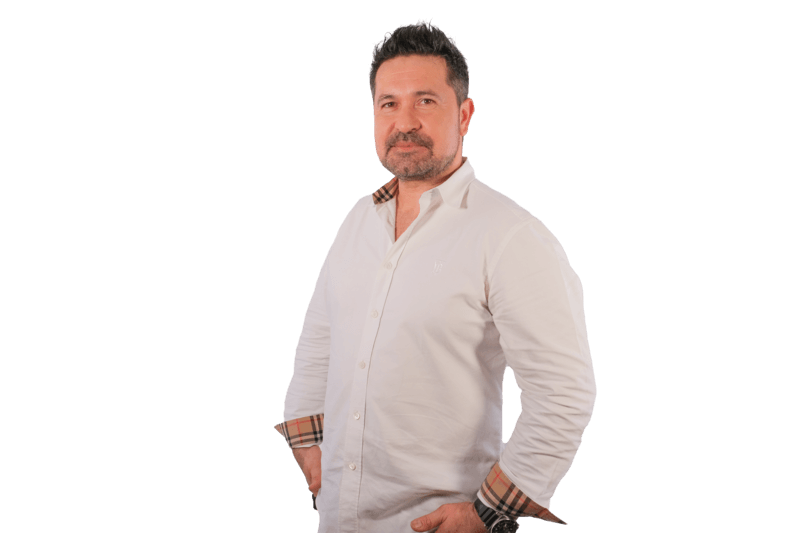
Orthopedic Surgeon and specialist in Limb Lengthening & Deformity Correction with over 14 years of experiences
Author Page