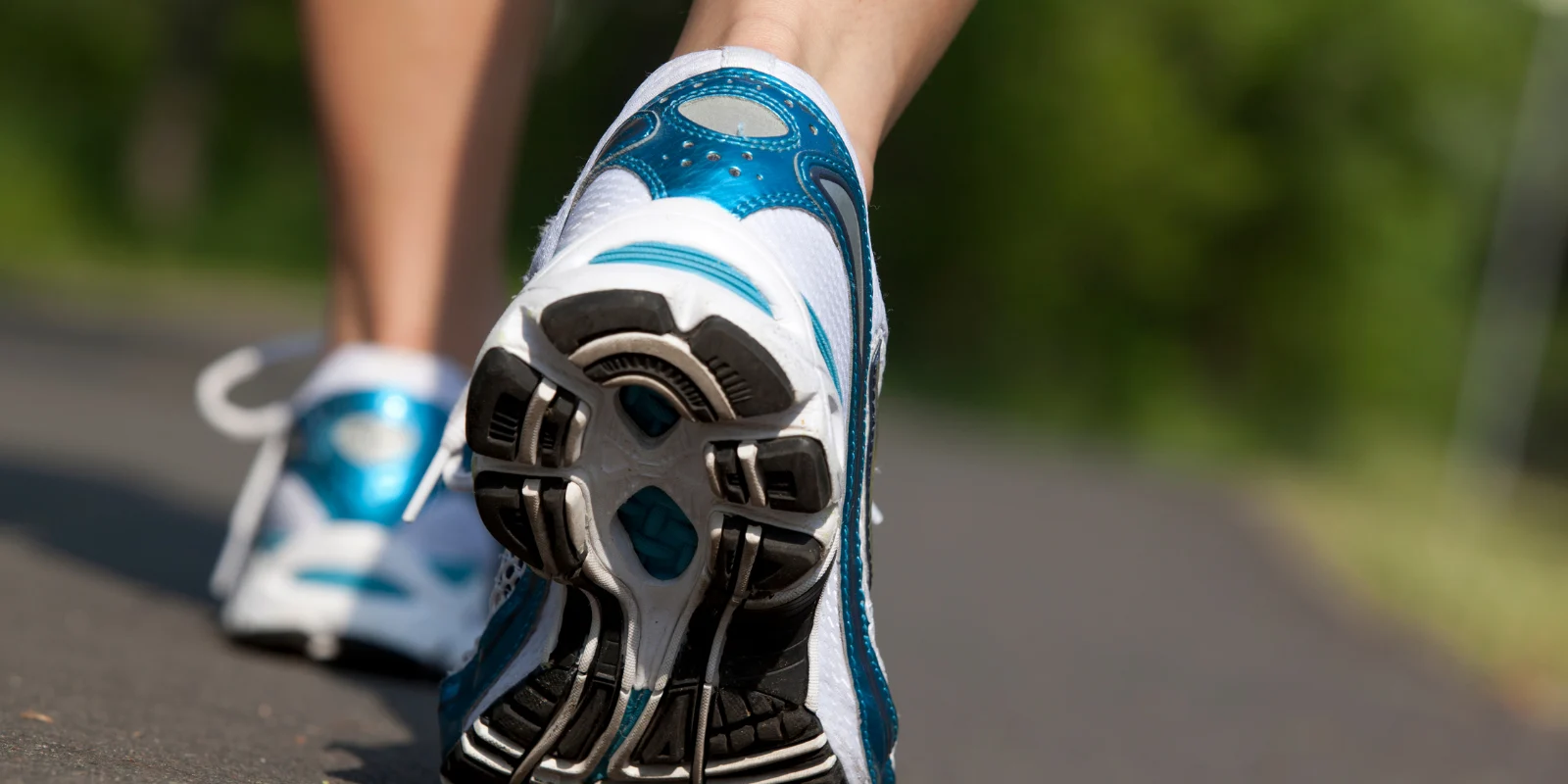
One of the most common concerns among prospective patients is can you walk normally after limb lengthening surgery. Because the procedure directly affects the legs and requires a lengthy recovery period, many individuals understandably wonder whether they will be able to return to a natural walking pattern once treatment is complete.
The encouraging news is that many patients can regain normal or near-normal walking ability following successful limb lengthening treatment and rehabilitation. However, recovery does not happen immediately. Walking ability improves gradually as the bones heal, muscles adapt, and mobility is restored through physical therapy. The timeline and outcome vary depending on factors such as the surgical method, the amount of length gained, and the patient’s commitment to rehabilitation.
Patients considering limb lengthening surgery in Turkey often ask about mobility outcomes because walking is one of the most important measures of recovery success. Understanding the stages of rehabilitation and the factors that influence walking ability can help patients develop realistic expectations before beginning treatment.
Table of Contents
Is Normal Walking Possible After Limb Lengthening?
For many patients, the answer to can you walk normally after limb lengthening surgery is yes. Modern limb lengthening techniques are designed not only to increase height but also to preserve function and support long-term mobility. The ultimate goal of treatment is to achieve the desired length gain while maintaining healthy movement patterns and overall quality of life.
Although the recovery process can be demanding, structured rehabilitation programs help patients gradually rebuild strength, flexibility, and coordination. As healing progresses, walking mechanics often improve significantly, allowing many individuals to return to normal daily activities.
Why Most Patients Regain Functional Walking
The human body has a remarkable ability to adapt during recovery. As new bone tissue strengthens and muscles adjust to the increased limb length, patients typically regain mobility through progressive rehabilitation.
For individuals asking can you walk normally after limb lengthening surgery, it is important to understand that successful outcomes depend on a combination of proper surgical planning, bone healing, and active participation in physical therapy. These elements work together to support functional walking and long-term mobility.
What “Normal” Means During Different Recovery Stages
The definition of “normal walking” changes throughout recovery. During the early stages, patients may rely on assistive devices and move more cautiously while healing progresses.
As rehabilitation continues, walking becomes smoother and more efficient. Over time, many patients regain a gait pattern that feels natural and comfortable. However, the timeline varies from person to person, making patience an important part of the recovery process.
How Long Does It Take to Walk Normally Again?
The timeline for regaining normal walking ability depends on several factors, including the amount of lengthening performed and the individual’s healing response. There is no universal schedule that applies to every patient.
When considering can you walk normally after limb lengthening surgery, patients should view recovery as a gradual progression rather than a single milestone. Improvements occur step by step as the body heals and adapts.
Early Walking with Support Devices
In many cases, patients begin walking with support devices during the recovery process under medical supervision. These devices help reduce stress on the healing bones while allowing safe movement and mobility training.
The specific timing and level of weight-bearing depend on the surgical technique used and the patient’s progress. Healthcare providers closely monitor recovery to determine when walking activities can be introduced and advanced.
Transitioning to Independent Walking
As bone healing continues and strength improves, patients gradually transition toward more independent movement. Physical therapy plays a central role during this stage by helping improve balance, coordination, and walking mechanics.
The transition to independent walking is often one of the most significant milestones in recovery. Many patients experience increasing confidence as mobility improves and daily activities become easier to perform.
What Can Affect Walking Recovery?
Several factors influence whether and when a patient can regain normal walking ability. Understanding these variables helps provide a more complete answer to can you walk normally after limb lengthening surgery.
Recovery is shaped by both biological and behavioral factors. While some aspects depend on the body’s natural healing processes, others are influenced by patient participation and rehabilitation efforts.
Length Gained, Bone Healing, and Muscle Tightness
The amount of length achieved during treatment can affect recovery demands. Larger increases may require additional rehabilitation as muscles, tendons, and other soft tissues adapt to the new limb length.
Bone healing is another critical factor. Strong and stable bone formation supports safe movement and progressive weight-bearing. Muscle tightness may also occur during the lengthening process, making flexibility exercises an important part of recovery.
Physical Therapy and Patient Discipline
Physical therapy is one of the most important components of successful recovery. Consistent rehabilitation helps maintain joint mobility, improve strength, and support healthy walking mechanics.
Patient discipline also plays a major role. Individuals who follow therapy recommendations, attend appointments, and remain engaged throughout recovery are often better positioned to achieve positive mobility outcomes.
What Does Rehabilitation Focus On?
Rehabilitation is designed to help patients regain function, strength, and confidence throughout the recovery journey. It is a structured process that continues well beyond the surgical procedure itself.
Patients interested in learning more about the treatment process and healing process can explore additional information about how recovery progresses from surgery through bone consolidation and rehabilitation.
Physical therapy often focuses on flexibility, joint mobility, muscle strength, balance, and gait training. These elements are essential for restoring normal movement patterns and reducing the risk of long-term mobility limitations.
Rehabilitation professionals work closely with patients to adjust exercises as recovery progresses. This individualized approach helps address changing needs and supports continued improvement throughout the healing process.
Can Some Patients Keep a Limp or Walking Limitation?
While many individuals regain normal mobility, some patients may experience temporary or longer-lasting walking changes during recovery. The answer to can you walk normally after limb lengthening surgery therefore depends on individual circumstances and recovery progress.
Understanding the difference between temporary adaptations and more persistent limitations can help patients maintain realistic expectations during treatment.
Temporary Gait Changes vs. Longer-Term Issues
Temporary changes in walking patterns are common during rehabilitation. Muscle tightness, weakness, and adjustments to the new limb length can all affect gait while recovery is still underway.
In many cases, these changes improve gradually with continued therapy and healing. As strength and flexibility return, walking patterns often become more natural and efficient.
When Extra Therapy or Revision May Be Needed
Occasionally, additional therapy may be recommended if mobility progress is slower than expected. More intensive rehabilitation programs can help address specific challenges related to strength, flexibility, or walking mechanics.
In some situations, further medical evaluation may be necessary to assess concerns related to alignment, healing, or functional recovery. These cases are evaluated individually, and treatment recommendations depend on the underlying issue.
How Can Patients Improve Their Chances of Walking Normally Again?
For those asking can you walk normally after limb lengthening surgery, one of the most important considerations is active participation in recovery. Successful walking outcomes are influenced by both the surgical procedure and the patient’s commitment to rehabilitation.
Following medical guidance, attending regular follow-up appointments, and participating consistently in physical therapy are essential steps. These measures help support bone healing, maintain flexibility, and improve overall function throughout recovery.
Maintaining a positive and realistic mindset can also be beneficial. Recovery often involves gradual progress rather than immediate results, and patience is an important part of the process. Patients who focus on long-term improvement rather than short-term milestones are often better prepared for the challenges of rehabilitation.
Ultimately, the answer to can you walk normally after limb lengthening surgery is encouraging for many patients. With proper surgical care, structured rehabilitation, and ongoing commitment to recovery, many individuals successfully regain normal walking ability and return to everyday activities with confidence.
For patients interested in seeing a real recovery example and learning more about walking after limb lengthening treatment, the following video provides additional insight into mobility, rehabilitation, and long-term outcomes:
This video can help illustrate how walking ability may improve throughout the recovery process and why consistent rehabilitation remains an important part of achieving successful results.

Orthopedic Surgeon and specialist in Limb Lengthening & Deformity Correction with over 14 years of experiences
Author Page