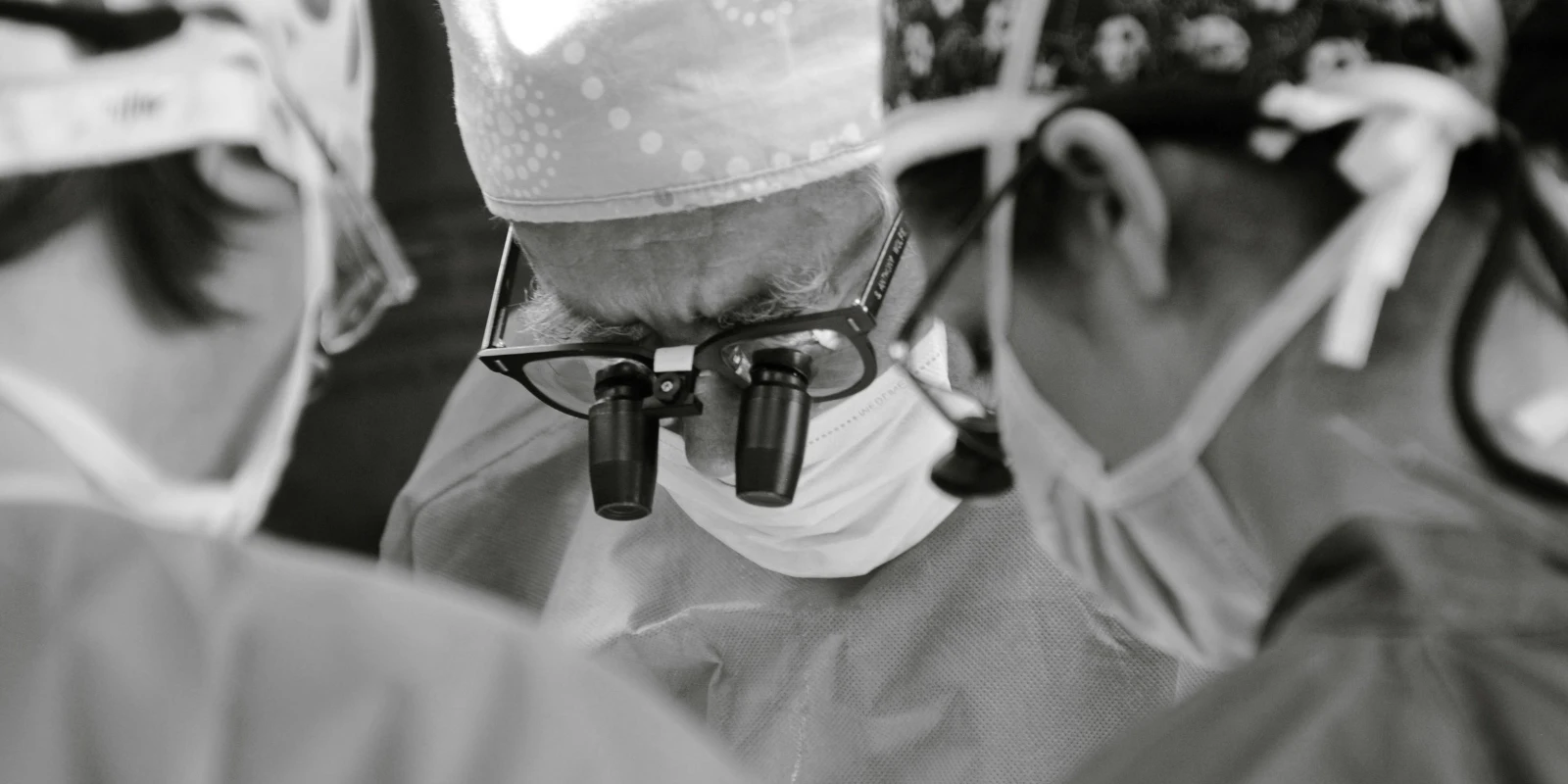
Patients may experience discomfort during treatment and recovery. Pain is typically managed through medication, rehabilitation, and medical supervision.
One of the most common questions people ask before considering height increase surgery is is limb lengthening painful. Because the procedure involves both surgery and a lengthy recovery period, it is natural to wonder how much discomfort is involved and how pain is managed throughout the process.
The reality is that limb lengthening can involve pain and discomfort, particularly during certain stages of recovery. However, pain levels vary significantly from one patient to another. Factors such as individual pain tolerance, the surgical method used, rehabilitation participation, and overall health can all influence the experience. Modern pain management strategies, close medical monitoring, and structured rehabilitation programs are designed to help patients recover as comfortably as possible.
Understanding is limb lengthening painful requires looking at the entire treatment journey rather than focusing solely on the surgery itself. Pain can occur during different phases of recovery, but it is typically monitored and managed by the medical team throughout the process.
Table of Contents
Why Does Limb Lengthening Cause Pain?
To understand is limb lengthening painful, it is important to understand how the procedure works. Limb lengthening involves surgically creating a controlled separation within the bone and gradually increasing the distance between the bone segments. As new bone forms in the gap, surrounding muscles, tendons, nerves, and other soft tissues must adapt to the changing structure of the limb.
Because multiple tissues are involved in the process, some degree of discomfort is expected. The amount and duration of pain can vary depending on the stage of treatment and the individual’s response to recovery.
Surgery Trauma, Bone Distraction, and Soft Tissue Tightness
The initial surgery itself causes temporary trauma to the body’s tissues, which can result in postoperative pain and soreness. This is a normal response to surgery and generally improves as healing progresses.
During the lengthening phase, gradual bone distraction places additional tension on muscles, tendons, and nerves. Patients may experience sensations of tightness or discomfort as the body adapts to these changes. Physical therapy plays an important role in helping manage these effects and maintaining mobility throughout recovery.
Why Pain Levels Differ from Patient to Patient
Not every patient experiences pain in the same way. Individual pain tolerance, age, overall fitness, muscle flexibility, and healing response can all affect how discomfort is perceived.
When asking is limb lengthening painful, it is important to recognize that personal experiences vary. Some patients describe manageable discomfort, while others may experience more noticeable pain during certain phases of treatment. Consistent communication with the medical team helps ensure that pain management strategies are adjusted when necessary.
When Is Pain Usually the Strongest?
Pain intensity is not constant throughout the limb lengthening process. Instead, it tends to fluctuate depending on the stage of treatment and the activities being performed during recovery.
Understanding when discomfort is most likely to occur can help patients prepare mentally and physically for the rehabilitation journey.
Early Post-Op Days
The days immediately following surgery are often associated with the highest levels of discomfort. During this period, the body is responding to the surgical procedure, and patients may experience soreness, swelling, and temporary limitations in mobility.
Pain management protocols are typically most intensive during this phase. Medications, monitoring, and supportive care are commonly used to help patients remain as comfortable as possible while initial healing begins.
The Lengthening Phase and Physical Therapy Sessions
As the lengthening process progresses, patients may experience intermittent discomfort related to muscle stretching and soft tissue adaptation. This discomfort can sometimes become more noticeable during physical therapy sessions, particularly when working to maintain flexibility and joint mobility.
For individuals wondering is limb lengthening painful, it is important to understand that physical therapy may occasionally be challenging. However, rehabilitation is a crucial part of recovery and helps reduce long-term complications related to stiffness and mobility limitations.
How Is Pain Managed During Recovery?
Pain management is a major component of modern limb lengthening treatment. Healthcare teams use a variety of strategies to help patients remain comfortable while supporting recovery and rehabilitation.
The goal is not only to reduce pain but also to maintain function and encourage participation in physical therapy. Effective pain management contributes significantly to the overall recovery experience.
Medication, Daily Monitoring, and Therapy Support
Medications are commonly used to manage postoperative discomfort and support patient comfort during the lengthening phase. The specific approach varies depending on individual needs and medical recommendations.
Daily monitoring allows healthcare professionals to assess pain levels and make adjustments when necessary. Physical therapists also play an important role by helping patients maintain flexibility, mobility, and strength throughout treatment.
Rest, Positioning, and Safe Activity Levels
Proper rest is another important part of recovery. Allowing the body sufficient time to heal can help reduce unnecessary strain and support overall comfort. Positioning techniques, mobility recommendations, and activity guidelines are often provided to help patients manage discomfort safely. Following these recommendations can contribute to a smoother recovery process and improve rehabilitation outcomes.
Can Patients Function Normally While Recovering?
A common concern related to is limb lengthening painful is whether patients can continue performing everyday activities during recovery. While the treatment process temporarily affects mobility, many patients gradually regain independence as healing progresses.
The ability to perform daily tasks depends on the stage of treatment, individual recovery progress, and adherence to rehabilitation protocols. Activities are typically reintroduced gradually under medical guidance.
Patients interested in learning about discomfort associated with other orthopedic procedures can explore how painful is height reduction surgery. Comparing different procedures may help provide additional perspective on recovery experiences and pain management approaches.
Although recovery requires adjustments and patience, many patients are eventually able to resume routine activities as their mobility, strength, and confidence improve. Rehabilitation plays a significant role in supporting this transition.
What Kind of Pain Should Be Reported Immediately?
While some discomfort is expected during recovery, certain symptoms may require prompt medical evaluation. Patients should understand the difference between typical recovery-related discomfort and symptoms that may indicate a complication.
Recognizing concerning signs early allows healthcare providers to assess the situation and determine whether additional intervention is needed.
Severe Nerve Symptoms or Sudden Mechanical Pain
Severe nerve-related symptoms such as persistent numbness, significant tingling, or sudden changes in sensation should be reported to the medical team. Likewise, sudden mechanical pain that differs noticeably from normal recovery discomfort may warrant evaluation.
Prompt communication helps healthcare providers investigate symptoms and determine whether adjustments to treatment or additional monitoring are necessary.
Signs of Infection or Abnormal Swelling
Signs of infection may include unusual redness, drainage, increasing warmth around the surgical area, or other concerning symptoms identified by the healthcare team. Significant swelling that appears abnormal or worsens unexpectedly should also be reported.
Patients who maintain regular communication with their providers are often better positioned to address potential concerns before they become more serious issues.
Is the Pain Worth It for Cosmetic Height Increase?
For many individuals considering height increase procedures, the question is limb lengthening painful is closely tied to whether the recovery experience is worthwhile. The answer depends on personal goals, expectations, and individual perspectives. While the procedure involves discomfort and requires commitment to rehabilitation, many patients pursue treatment because they place significant value on achieving their desired height objectives.
Pain is generally temporary, whereas the results of limb lengthening are intended to be long-lasting. However, patients should approach treatment with realistic expectations and a clear understanding of the recovery process. Successful outcomes require patience, adherence to rehabilitation, and ongoing communication with the medical team.
Ultimately, when evaluating is limb lengthening painful, it is important to consider both the challenges and the support systems available throughout recovery. Modern pain management techniques, structured rehabilitation programs, and experienced healthcare teams help many patients navigate the process successfully. Understanding what to expect allows individuals to make informed decisions and prepare appropriately for the journey ahead.

Orthopedic Surgeon and specialist in Limb Lengthening & Deformity Correction with over 14 years of experiences
Author Page