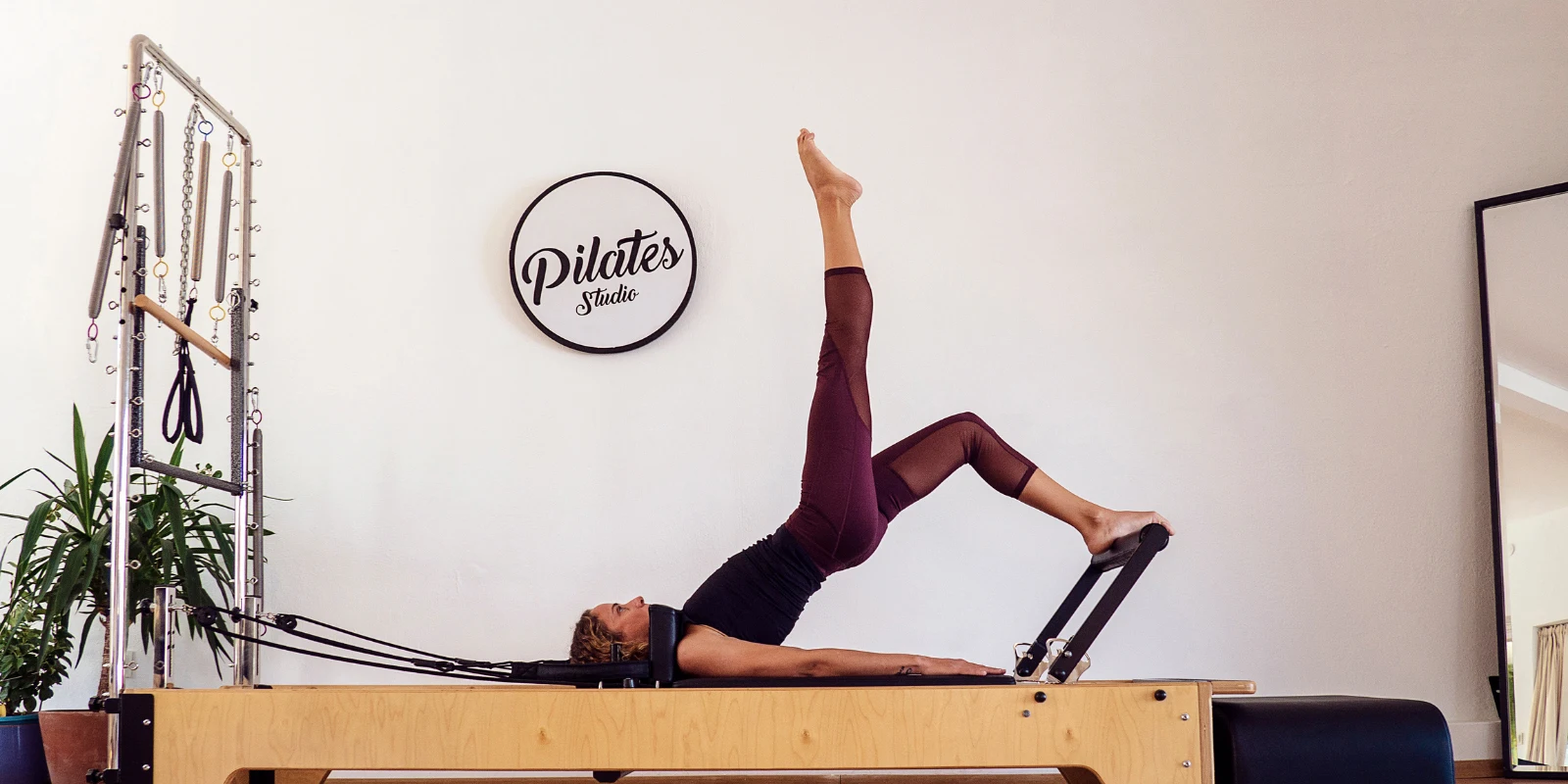
Many people interested in improving their posture and overall physical appearance often ask a common question: does pilates make you taller? Pilates is widely known for strengthening the core, improving flexibility, and promoting better body alignment. Because of these benefits, some individuals believe that practicing Pilates regularly might increase their height.
In reality, Pilates does not increase the length of your bones or change your skeletal structure. Height is primarily determined by genetics and the growth of long bones during childhood and adolescence. However, Pilates can improve posture, spinal alignment, and muscle balance, which may help individuals stand at their natural full height. For people who experience height loss due to poor posture, Pilates can make them appear taller.
For individuals seeking actual height increase after natural growth has stopped, options are limited. One medical procedure that can change bone length is limb lengthening surgery. Understanding the difference between posture improvement and structural height change helps answer the question does pilates make you taller more accurately.
Table of Contents
Does Pilates Actually Increase Your Height?
Pilates focuses on strengthening core muscles, improving flexibility, and promoting better posture. These benefits can influence how the body aligns, particularly in the spine, shoulders, and pelvis. When the body is properly aligned, individuals often appear taller and more balanced.
However, Pilates does not cause bones to grow longer. Height increase occurs only when growth plates in the bones are still open during childhood and adolescence. Once these growth plates close after puberty, natural bone lengthening stops permanently. Pilates works primarily on muscles, joints, and posture rather than the skeletal growth process.
What Pilates can do is help correct postural imbalances that compress the spine or cause the body to slouch. When these issues are addressed, the spine can return to a more natural alignment, which may slightly increase a person’s visible height.
The Science Behind Spinal Decompression
Spinal decompression refers to the process of reducing pressure on the vertebrae and the discs between them. Throughout the day, gravity compresses the spine slightly, which can cause a small temporary decrease in height. Activities that stretch and mobilize the spine may help relieve this compression.
Pilates includes many movements that gently elongate the spine and encourage proper posture. These exercises help improve flexibility and mobility in the back muscles while promoting better spinal alignment. As a result, the spine can maintain a healthier position.
Although this decompression can make a person feel taller temporarily, it does not permanently increase bone length. Instead, it restores the spine to its natural position and helps prevent excessive compression.
Understanding Bone Length vs. Postural Alignment
It is important to understand the difference between actual bone length and posture-related height changes. Bone length determines a person’s true skeletal height and is influenced by genetics and developmental factors.
Postural alignment, on the other hand, refers to how the body is positioned. Poor posture, such as slouching shoulders or a forward head position, can make someone appear shorter than they actually are. These misalignments compress the spine and reduce the visible height of the body.
Pilates helps improve posture by strengthening the muscles that support the spine and shoulders. When these muscles function properly, the body maintains a more upright and balanced posture, which can enhance overall height appearance.
How Pilates Improves Your Posture
One of the main goals of Pilates is improving posture and body awareness. Modern lifestyles often involve long hours sitting at desks, using computers, or looking down at mobile devices. These habits can gradually create muscle imbalances and spinal misalignment.
Pilates exercises target the deep core muscles that stabilize the spine and pelvis. By strengthening these muscles, Pilates helps the body maintain proper alignment throughout daily activities. Improved posture not only supports spinal health but can also make individuals appear taller and more confident.
Correct posture also distributes body weight more evenly across the spine and joints. This reduces unnecessary strain on muscles and helps maintain a more natural body position.
Correcting Forward Head Posture
Forward head posture is one of the most common postural problems today. It occurs when the head shifts forward relative to the shoulders, often due to prolonged screen use or poor sitting habits. This position places additional strain on the neck and upper back.
Pilates exercises strengthen the muscles of the upper back and neck, helping to pull the head back into a more neutral position. When the head aligns correctly with the spine, the body’s posture improves significantly.
Correcting forward head posture can instantly change how tall someone appears. By restoring proper alignment, the body stands more upright and balanced.
Addressing Anterior Pelvic Tilt
Anterior pelvic tilt occurs when the pelvis rotates forward, creating an exaggerated curve in the lower back. This condition is often caused by weak abdominal muscles and tight hip flexors.
Pilates strengthens the core muscles and promotes better pelvic stability. Exercises targeting the abdomen, glutes, and lower back help bring the pelvis back into a neutral position.
When the pelvis is properly aligned, the spine can maintain a healthier curve. This improves posture and contributes to a more upright and balanced body stance.
Neutral Spine Alignment and Its Visual Impact
A neutral spine refers to the natural curvature of the spine when the body is properly aligned. Maintaining this alignment is essential for both posture and spinal health.
Pilates emphasizes controlled movements and body awareness to help individuals maintain a neutral spine during exercise and daily activities. By strengthening supporting muscles, Pilates makes it easier to hold this position naturally.
When the spine maintains its natural curves, the body appears taller and more balanced. This visual improvement is often why people believe Pilates increases height.
Key Pilates Exercises for a Taller Appearance
Certain Pilates exercises focus specifically on spinal mobility, posture correction, and core strength. These movements help elongate the body and promote proper alignment.
Practicing these exercises regularly can improve posture, increase body awareness, and support spinal health. While they do not increase bone length, they can enhance the way the body carries itself.
Over time, improved posture can make a noticeable difference in overall appearance and confidence.
The Hundred
The Hundred is one of the most well-known Pilates exercises. It primarily targets the core muscles while encouraging controlled breathing and spinal stabilization. During the exercise, the body remains in a position that requires strong abdominal engagement. This strengthens the muscles responsible for supporting the spine. A stronger core helps maintain proper posture throughout daily activities, contributing to a taller and more balanced stance.
Spine Stretch Forward
Spine Stretch Forward focuses on flexibility and mobility in the back. This movement encourages gentle elongation of the spine while improving flexibility in the hamstrings and lower back. The exercise helps relieve tension that may accumulate from prolonged sitting. By stretching the back muscles, it supports a more upright posture. Regular practice can improve spinal mobility and help the body maintain a more natural alignment.
The Swan Dive
The Swan Dive is a Pilates exercise designed to strengthen the muscles of the back and open the chest. It encourages extension of the spine while engaging the muscles that support the upper body. This movement helps counteract the effects of slouching and forward-rounded shoulders. By strengthening the back muscles, it promotes better posture. Improved upper-body alignment contributes to a taller and more confident appearance.
Leg Circles for Hip Mobility
Leg Circles are often used to improve hip mobility and strengthen stabilizing muscles around the pelvis. The exercise encourages controlled movement while maintaining core stability. Strong and flexible hips help maintain proper pelvic alignment, which directly affects posture. When the pelvis remains stable, the spine can maintain its natural curves. This balance supports overall posture and contributes to a more upright stance.
Pilates vs. Other Height-Enhancing Myths
Many methods claim to increase height in adults, but most are based on misunderstandings about how the body works. Height is determined mainly by bone length, which stops increasing once growth plates close. Some techniques may temporarily improve posture or reduce spinal compression, creating the illusion of increased height. However, they do not permanently change skeletal structure. Understanding the difference between posture improvement and actual bone growth is essential when evaluating these claims.
Inversion Tables
Inversion tables are devices designed to hang the body upside down, allowing gravity to decompress the spine. Some people believe this method can increase height.
While inversion may temporarily reduce spinal compression, the effect is short-lived. Once normal daily activities resume, the spine gradually returns to its usual state.
Therefore, inversion therapy may support comfort and flexibility but does not lead to permanent height increase.
Stretching Exercises
Stretching exercises are often promoted as a way to grow taller. These exercises can improve flexibility and reduce muscle tightness, which may influence posture.
Better flexibility can allow the body to move more freely and maintain healthier alignment. However, stretching does not lengthen bones.
As with Pilates, stretching mainly enhances posture rather than increasing skeletal height.
Yoga for Spinal Length
Yoga includes many poses that promote spinal flexibility and relaxation, which is why many people ask can yoga make you taller. Certain poses stretch the back and encourage upright posture. Regular yoga practice can improve balance, flexibility, and body awareness. These benefits help individuals maintain a more aligned and upright posture. Although yoga supports spinal health, it does not permanently increase bone length.
Benefits of Core Strength for Spinal Health
Core strength is essential for maintaining a healthy spine and proper posture. The core includes muscles of the abdomen, lower back, pelvis, and hips. When these muscles are strong, they provide stability and support for the spine. This reduces strain on the vertebrae and helps maintain correct alignment during movement. Pilates places significant emphasis on core strengthening, which is why it is often recommended for posture improvement.
Supporting the Intervertebral Discs
Between each vertebra in the spine are structures called intervertebral discs. These discs act as cushions that absorb shock and allow flexibility in the spine. Strong core muscles help distribute body weight more evenly across these discs. This reduces pressure and supports overall spinal health. Maintaining healthy discs contributes to better posture and reduces excessive spinal compression.
Reducing Age-Related Height Loss
As people age, gradual changes in the spine may lead to a slight reduction in height. This can occur due to posture changes, disc compression, or reduced muscle strength. Regular exercise that strengthens the core and improves posture may help slow these changes. Pilates is particularly beneficial because it focuses on alignment and spinal support. By maintaining strong supportive muscles, individuals may preserve their natural height appearance as they age.
Who Can Expect the Most Visible Results?
People who experience poor posture often see the most noticeable changes from Pilates. Individuals who spend long hours sitting or working at desks may develop slouched shoulders or spinal misalignment.
When Pilates strengthens the muscles responsible for posture, these individuals may stand more upright and appear taller. The difference can sometimes be noticeable within a few weeks of consistent practice.
However, the results relate to posture correction rather than actual bone growth.
Expert Tips to Maximize Your Results from Pilates
To gain the most benefits from Pilates, consistency is key. Practicing exercises regularly allows the body to gradually strengthen supportive muscles and improve alignment.
Focusing on proper technique is also important. Controlled movements and correct breathing patterns help activate the right muscle groups and protect the spine. Combining Pilates with other healthy habits—such as regular movement, balanced nutrition, and proper ergonomic positioning during daily activities—can further support spinal health and posture. Over time, these habits can help individuals stand at their natural full height and maintain a healthier, more confident posture.

Orthopedic Surgeon and specialist in Limb Lengthening & Deformity Correction with over 14 years of experiences
Author Page