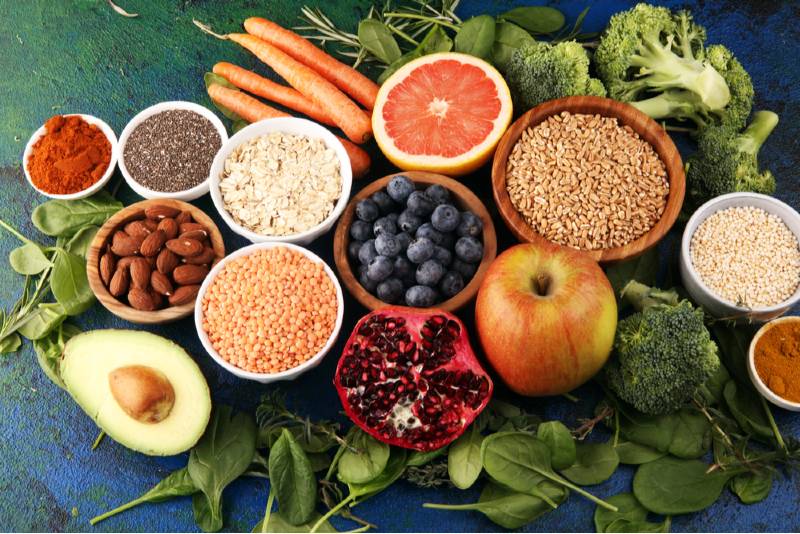
Many people search for answers to one common question: what foods make you taller? Height is often associated with confidence, health, and physical presence, which naturally leads to curiosity about whether diet can influence growth.The reality is nuanced. No food can magically increase height after growth plates close. However, proper nutrition during childhood and adolescence plays a critical role in reaching maximum genetic height potential. Diet does not create height on its own—but without it, growth can be limited.This article explains how food affects height, which nutrients matter most, and how diet fits into the bigger picture of growth and health.
Table of Contents
The Science Behind Height: Can Diet Really Make a Difference?
Genetics vs. Environmental Factors (Diet, Sleep, Exercise)
Human height is primarily determined by genetics, accounting for roughly 60–80% of final adult stature. However, environmental factors—including nutrition, sleep quality, physical activity, and healthcare—decide whether someone actually reaches their genetic potential.Diet cannot override genetics, but poor nutrition can significantly stunt growth, especially during critical development periods.
The Role of Growth Plates and Puberty
Bones grow in length at areas called growth plates (epiphyseal plates). These plates remain open throughout childhood and adolescence and close after puberty—typically:
- Ages 16–18 in females
- Ages 18–21 in males
Once growth plates close, no diet, supplement, or exercise can increase bone length.
Essential Nutrients for Bone and Tissue Growth
During growth years, the body needs:
- Adequate calories
- High-quality protein
- Bone-forming minerals
- Vitamins that regulate absorption and hormone function
A deficiency in any of these can limit height outcomes.
Calcium-Rich Powerhouses for Strong Bones
Calcium is one of the most important minerals for skeletal development. About 99% of the body’s calcium is stored in bones and teeth.
Dairy Products: Milk, Yogurt, and Cheese
Dairy products are among the richest and most bioavailable sources of calcium. They also provide protein and phosphorus, which work together to strengthen bones.Examples include:
- Milk
- Yogurt
- Cheese
Regular dairy consumption during childhood and adolescence is consistently associated with better bone density.
Non-Dairy Sources: Leafy Greens and Fortified Foods
For those who do not consume dairy, calcium can also be obtained from:
- Kale, bok choy, and broccoli
- Almonds
- Fortified plant milks (soy, almond, oat)
- Fortified cereals
The key is consistency and adequate total intake.
How Calcium Works with Vitamin D for Absorption
Calcium absorption depends heavily on vitamin D. Without enough vitamin D, even a calcium-rich diet may be ineffective. Sun exposure, fortified foods, and supplements all help maintain healthy vitamin D levels.
Protein: The Building Blocks for Height
Protein is essential for building bone matrix, muscle tissue, and cartilage. Growth is impossible without sufficient protein intake.
High-Quality Protein Sources (Eggs, Lean Meats, Fish)
Animal-based proteins contain all essential amino acids needed for growth:
- Eggs
- Chicken and turkey
- Lean beef
- Fish (especially salmon and tuna)
These sources also provide iron, zinc, and vitamin B12.
Plant-Based Proteins (Legumes, Tofu, Nuts)
Plant-based diets can support growth when well planned. Good sources include:
- Lentils
- Chickpeas
- Beans
- Tofu and tempeh
- Nuts and seeds
Combining different plant proteins ensures a complete amino acid profile.
Amino Acids Crucial for HGH Production
Certain amino acids—such as arginine and lysine—play a role in stimulating human growth hormone (HGH) release. While food alone cannot dramatically increase HGH, adequate protein intake supports normal hormonal function during growth years.
Key Vitamins and Minerals That Boost Growth
Vitamin D: Sunshine and Supplements
Vitamin D regulates calcium absorption and bone mineralization. Deficiency during childhood can impair skeletal development.
Sources include:
- Sunlight exposure
- Fatty fish
- Egg yolks
- Fortified foods
In some cases, supplementation may be necessary under medical guidance.
Zinc and Iron: Supporting Overall Development
- Zinc is involved in cell division and protein synthesis
- Iron supports oxygen transport and energy metabolism
Deficiencies in either have been linked to delayed growth and development.
Vitamin K and its Role in Bone Mineralization
Vitamin K helps direct calcium into bones rather than soft tissues. Leafy greens such as spinach and kale are excellent sources and complement calcium intake.
Foods to Avoid or Limit for Optimal Growth
Nutrition is not only about what to eat—but also what to limit.
The Impact of Excessive Sugar and Processed Foods
Highly processed foods often provide calories without essential nutrients. Excessive sugar intake can displace healthier foods and contribute to poor dietary balance.Chronic poor-quality diets during growth years may limit height potential.
Caffeine and its Potential Effects on Calcium Absorption
High caffeine intake may slightly interfere with calcium absorption, especially when calcium intake is already low. Moderate consumption is generally safe, but excessive intake should be avoided in children and adolescents.
Ensuring a Balanced, Not Restrictive, Diet
Restrictive diets—especially during puberty—can be harmful. Growth requires energy, nutrients, and hormonal balance. Extreme calorie restriction or elimination diets should only be followed under professional supervision.
Integrating Diet with a Healthy Lifestyle for Maximum Height Potential
Diet alone is not enough to determine height outcomes. It must be combined with:
- Adequate sleep (most growth hormone is released during deep sleep)
- Regular physical activity
- Proper medical care
- Low exposure to growth-inhibiting factors (smoking, alcohol, chronic stress)
For children and adolescents, this holistic approach ensures the best chance of reaching genetic height potential.For adults whose growth plates have closed, no diet can increase height naturally. In such cases, limb lengthening surgery is currently the only medically proven method to permanently increase height.This is a complex orthopedic procedure and should only be considered after thorough medical evaluation.
Final Thoughts
So, what foods make you taller?No single food can make you taller—especially after puberty. However, a nutrient-rich diet with adequate calcium, protein, vitamins, and minerals is essential for reaching maximum height during growth years. Poor nutrition can limit height, while good nutrition allows genetics to fully express themselves.Food supports growth—but it does not replace biology.
Orthopedic Surgeon and specialist in Limb Lengthening & Deformity Correction with over 14 years of experiences
Author Page