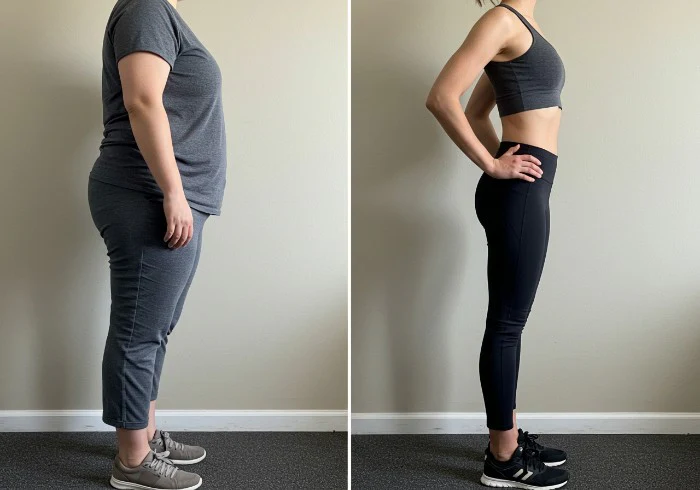
In today’s health-conscious world, people often wonder how body composition affects not just appearance but also physical attributes like height. A common question that arises is: does losing weight make you taller? While weight loss can improve posture and overall body alignment, it does not increase your skeletal height. However, it can lead to the appearance of added height, which is often mistaken for actual growth.This article will explore the relationship between body weight and perceived height, clarify misconceptions, and explain the physiological mechanisms involved. By the end, you’ll have a clear understanding of how weight and height interact—and what truly influences your stature.
Table of Contents
ToggleUnderstanding the Role of Genetics in Height
Height is largely determined by genetics, with hereditary factors accounting for up to 80% of an individual’s final height. If your parents are tall, there’s a good chance you will be too. The remaining influence comes from environmental factors like nutrition, hormones, and health during developmental years.Weight has minimal effect on your actual height. Losing weight does not change your bone length or cause growth once your growth plates have closed. This means that does losing weight make you taller is a question of perception rather than biological fact for most adults. To grow taller, structural interventions or early-life factors must be involved.
The Scientific Relationship Between Weight and Height
Body weight and height are distinct measurements, but they often interact in how the body is perceived and functions. Excess body weight can place stress on the spine, joints, and posture, which may lead to a compressed appearance. As weight is lost, posture often improves, giving a person a slightly more upright and taller silhouette.However, it’s important to understand that losing weight does not increase bone length. Adults with closed growth plates cannot gain height naturally. In contrast, those seeking permanent height increase may consider limb lengthening surgery, a medical procedure designed to gradually extend the length of bones.
How Weight Affects Posture and Perceived Height
Excess weight, particularly around the abdomen and spine, can contribute to poor posture by pulling the body forward. This often makes individuals appear shorter. Weight loss may correct these imbalances, making the spine more aligned and giving the illusion of increased height.The Impact of Severe Malnutrition on Growth
While excess weight does not shorten height, extreme malnutrition during childhood can stunt growth by interfering with hormonal development and bone formation. Adequate nutrition is critical during growth years to reach one’s genetic height potential.Weight Loss and Spinal Decompression
Losing weight can reduce the load on the spine, especially on the intervertebral discs. This can result in minor decompression, which may make you appear slightly taller during the day. However, this change is subtle and temporary—it does not equate to actual skeletal growth.Distinguishing Perceived Height from Actual Height
When individuals report feeling taller after weight loss, what they usually experience is improved posture and spinal alignment. Actual height—measured from head to toe—remains unchanged unless bone structure is altered.Postural improvements can include standing more upright, reduced spinal curvature, and better balance. These factors enhance how tall you look, especially when combined with muscle toning and lean body mass. So while the answer to does losing weight make you taller is technically no, it can make you appear taller to others.Key Factors That Determine Adult Height
Several factors come together to determine an individual’s final adult height. Genetics is the most influential, but nutrition, hormonal health, physical activity, and early-life illness also play crucial roles. During childhood and adolescence, maintaining a healthy body weight supports proper development.Once puberty ends and the growth plates fuse, height is generally fixed. At that stage, lifestyle changes like weight loss will not influence skeletal height. This is why most height-related interventions—whether nutritional or medical—are only effective before adulthood.Healthy Weight Management for Optimal Physical Health
While weight loss does not increase actual height, maintaining a healthy weight is essential for overall well-being. It supports joint function, reduces the risk of chronic diseases, and improves mobility and posture. For growing children and adolescents, balanced nutrition is vital not just for healthy weight, but also for achieving full height potential.In adults, losing excess weight can relieve spinal pressure and lead to better posture, improved confidence, and a more elongated body silhouette. These benefits highlight the value of healthy body composition—not for getting taller, but for improving how you carry your height and feel in your body.
Orthopedic Surgeon and specialist in Limb Lengthening & Deformity Correction with over 14 years of experiences
Author Page